1:1 SAT TEST TUTORING BUILT AROUND HOW EACH STUDENT LEARNS, PROCESSES, AND PERFORMS | FREE CONSULTATIONS | MEET-AND-GREETS WITH OUR STAFF
SAT Tutoring in NYC for Neurodivergent and High-Achieving Students
SAT tutoring in NYC should do more than teach question types and assign practice tests. Effective 1:1 preparation identifies what is preventing a student’s knowledge from translating into consistent performance, then builds strategies around that specific pattern.

SAT Test Prep for Different Learning Profiles and Performance Goals
At Themba Tutors, we have particular expertise supporting students with ADHD, dyslexia, executive-function challenges, working-memory demands, slower processing, and test anxiety. These students may understand the underlying material yet lose points because attention fluctuates, multi-step problems overload working memory, reading takes longer than expected, or pacing breaks down under pressure.
Our approach also serves neurotypical and advanced students who already perform well academically but want to maximize their SAT scores. High-achieving students may need a different kind of intervention: identifying subtle error patterns, improving decision speed, handling unusually difficult questions, maintaining precision under time pressure, and preventing perfectionism from consuming valuable minutes.
We use one-on-one private tutoring to connect SAT content with the student’s actual performance profile. Instruction may address reading, writing, and math while also strengthening the planning, pacing, self-monitoring, and error-analysis systems needed to execute consistently across a full-length exam.
Families often compare different test prep courses, group classes, and tutoring models before choosing the right tutor for their child. Private SAT preparation is especially useful when a student needs instruction adapted to a specific learning profile, score target, pacing pattern, or academic goal.
SAT Tutoring Service Snapshot
Individualized SAT tutoring adapts content, pacing, and test-taking systems to the student rather than forcing every learner through the same preparation sequence.
- Service: Private 1:1 SAT tutoring and test preparation
- Location: New York City
- Delivery: In-home and online
- Primary Expertise: ADHD, dyslexia, working-memory challenges, executive-function demands, processing differences, test anxiety, and twice-exceptional profiles
- Advanced Performance: Score optimization, error reduction, pacing refinement, difficult-question strategy, and consistency under pressure
- Academic Areas: SAT Reading and Writing, SAT Math, timing, strategy, and full-test execution
- Goal: Help each student translate academic ability into stronger and more consistent SAT performance
Why One-Size-Fits-All SAT Prep Does Not Work for Every Student
SAT performance depends on content knowledge, pacing, attention, working memory, strategy selection, and accurate execution under time pressure.
Large classes and standardized prep sequences can work for some students, but they often miss the reason an individual student is losing points. Two students with the same starting score may need completely different plans.
For neurodivergent learners, SAT tutoring may need to address specific barriers between knowledge and execution:
- ADHD: Students with ADHD may know the material but lose accuracy when sustained attention drops, pacing becomes uneven, or impulsive answer choices replace deliberate reasoning. Tutors teach repeatable systems for maintaining focus, checking work, allocating time, and resetting attention between questions.
- Dyslexia: Students with dyslexia may need more efficient ways to process dense passages, track textual evidence, interpret unfamiliar wording, and manage reading demands without sacrificing comprehension.
- Working Memory, Processing Speed & Executive Functioning: Students who struggle with time management, sequencing, planning, or holding multiple steps in mind benefit from explicit systems that reduce cognitive load and make problem-solving more repeatable.
- Other Learning Differences: We support students with dysgraphia,dyscalculia, language-based learning disabilities,NVLD, and twice-exceptional (2e) profiles.
- Test Anxiety and Perfectionism: Capable students can lose points when they repeatedly second-guess correct answers, freeze on difficult questions, rush after falling behind, or spend too long trying to make every response perfect.
Individualization also matters at the other end of the performance range. Strong and advanced students may not need broad content review. They often need high-level error analysis, tighter pacing, more efficient problem selection, exposure to difficult items, and strategies for converting a strong baseline into a higher score.
Students with approved testing accommodations, including extended time, also need practice using those accommodations strategically. Extra time is most useful when the student has a clear system for allocating it.
How Our Individualized SAT Tutoring Process Works
Effective SAT tutoring begins by identifying why a student is losing points, not simply by assigning more practice questions.
Our tutors look for patterns across content mastery, timing, attention, reading load, working memory, strategy use, and avoidable errors. The resulting plan is built around the student’s actual bottlenecks and score goals.
- Individualized Diagnostic Process: We begin with a free, in-depth consultation to review prior evaluations, test scores, academic history, learning profile, and target outcomes. We may also recommend a free practice test to establish a baseline before tutoring begins.
- Performance-Pattern Analysis: Tutors distinguish between content gaps and execution problems. A missed math problem caused by incomplete algebra knowledge requires a different response from one missed because the student rushed, misread the prompt, or lost track of a multi-step calculation.
- Tailored Lesson Pacing: Lessons are paced to match each student’s processing needs while progressively building test-day efficiency. We can also recommend the best online course, study schedule, or prep book for the student’s preparation plan.
- Explicit Test Systems: Students learn repeatable systems for pacing, annotation, elimination, checking work, recovering after difficult questions, and analyzing errors between practice tests.
- Advanced Score Optimization: Students with strong baseline scores can focus on higher-difficulty questions, precision, timing efficiency, strategic skipping, and the small recurring errors that often separate a good score from a stronger one.
- Accommodation-Specific Support: Students practice using approved accommodations deliberately so that additional time or other supports translate into better execution rather than simply longer testing sessions.
When Families Typically Seek SAT Tutoring
Families often seek individualized SAT tutoring when a student’s practice scores do not reflect academic ability or improvement begins to plateau.
Common triggers include:
- A student with ADHD understands the material but cannot maintain consistent pacing or attention.
- Reading speed, dyslexia, or language processing makes timed sections disproportionately difficult.
- Multi-step math questions overload working memory even when the underlying concepts are familiar.
- Test anxiety or perfectionism causes freezing, rushing, second-guessing, or inefficient use of time.
- A twice-exceptional student needs both accommodation-aware instruction and appropriately challenging material.
- A strong student reaches a score plateau and needs detailed error analysis rather than another general SAT course.
- A high-achieving student is targeting a more competitive score and needs greater accuracy on difficult questions.
- An approved accommodation has been granted, but the student has not yet developed a strategy for using it effectively.
- An initial practice or official SAT exposes a gap between classroom achievement and standardized-test performance.
For many NYC students in demanding private, public, honors, AP, and accelerated academic environments, the issue is not a lack of ability. The challenge is producing accurate, efficient work under a standardized testing structure.
How We Support Students and Families Throughout SAT Preparation
Consistent communication allows SAT preparation to adapt as practice data reveals new strengths, bottlenecks, and performance patterns.
Our goal is not to force students through a fixed curriculum. We adjust instruction as performance changes.
- Direct Parent Communication: Live note-sharing and regular check-ins help families understand what the student is working on, where scores are changing, and which patterns still need attention.
- Coordination Around Learning Profiles: With permission, we can coordinate with a student’s school, therapists, counselors, or other professionals when an IEP, 504 Plan, evaluation, or established accommodation is relevant to SAT preparation.
- Performance-Focused Matching: Founder and CEO Craig Selinger personally reviews intake information to help match each student with an appropriate specialist. Matching considers academic needs, learning profile, personality, testing goals, and the level of challenge required.
- Free Meet-and-Greets: Families can meet prospective tutors before beginning paid sessions, which is especially helpful when a student’s success depends on both technical expertise and instructional fit.
This model works for students who need substantial adaptation as well as students who need greater challenge. The common goal is the same: stronger, more repeatable performance under actual SAT conditions.
In-Home & Online SAT Tutoring in NYC
Private SAT tutoring can be delivered in-home or online while preserving individualized pacing, strategy instruction, and score-focused practice.
Our tutors provide SAT preparation throughout New York City, including Brooklyn, Manhattan, Queens, Staten Island, and the Bronx. In-home tutoring gives students a consistent one-on-one environment and can be particularly useful when attention, fatigue, anxiety, or processing demands make large prep classes inefficient.
Online tutoring can work well for students who prefer digital instruction, have demanding school schedules, or benefit from screen-based SAT practice that resembles the digital testing environment. Sessions may also take place at a local library or coffee shop when that setting provides the best combination of convenience and focus.
For advanced learners, both formats can support intensive score optimization, including difficult-question practice, timed sections, targeted error analysis, and strategy refinement.
Private SAT Tutoring vs Group Test Prep Courses
Private SAT tutoring allows the instructional sequence to change based on one student’s errors, pacing, learning profile, and score goals.
Group courses usually follow a preset curriculum. That format can be efficient for students who need broad exposure to the test, but it may spend too much time on material a student already knows or move too quickly through areas requiring deeper work.
One-on-one SAT tutoring is often a stronger fit when:
- ADHD or attention variability affects pacing and accuracy
- dyslexia or language processing changes how a student approaches reading
- working-memory demands interfere with multi-step math
- approved accommodations require individualized practice
- anxiety or perfectionism changes test behavior
- a strong student needs higher-level material instead of general review
- practice scores have plateaued despite substantial independent preparation
For advanced students, private tutoring also makes it possible to spend more time on difficult questions and less time reviewing concepts already mastered.
SAT Test Prep NYC: Tutoring Cost, Frequency, and Scheduling
SAT tutoring cost and frequency depend on the specialist, preparation timeline, starting score, target score, and degree of individualized instruction required.
Some students benefit from steady weekly preparation over several months. Others need a shorter intensive period before an exam or targeted work between official test dates.
Students with ADHD, dyslexia, working-memory challenges, or slower processing may need additional time to build strategies until those systems become automatic. Advanced students may need fewer broad instructional sessions but more concentrated analysis of high-difficulty questions, pacing, and recurring error patterns.
Whether your student needs weekly sessions, intensive test prep, or tutoring combined with independent practice or an online course, we can recommend a preparation structure based on the student’s profile and testing timeline.
Key Facts About Individualized SAT Tutoring
Neurodivergent students may understand SAT content while still losing points through pacing, attention, working-memory, or processing demands.
Approved accommodations work best when students practice using them before the official test.
High-achieving students often benefit from error analysis and difficult-question strategy more than broad content review.
A full-length baseline test can reveal whether lost points come from knowledge gaps or test-execution patterns.
One-on-one tutoring allows pacing and instruction to change as the student’s score profile changes.
When Should Students Take Their First SAT Practice Test?
A baseline SAT practice test helps distinguish content gaps from pacing, attention, endurance, and test-execution problems.
Families should generally use a full-length practice test early enough to leave meaningful time for instruction and adjustment. The objective is not merely to generate a starting score. A useful baseline reveals how points are being lost.
For a neurodivergent student, that analysis may reveal attention drift, working-memory overload, slow reading, difficulty switching tasks, or ineffective use of accommodations. For an advanced student, the same test may reveal a different pattern: isolated difficult-question misses, overchecking, avoidable precision errors, or inefficient pacing.
Allow Time for Preparation
Students usually benefit from enough preparation time to diagnose performance patterns, learn new systems, and apply those systems repeatedly under timed conditions.
Preparation may include:
- learning the format and pacing of the test
- strengthening specific math, reading, and writing skills
- practicing attention and pacing systems
- analyzing recurring errors
- completing full-length exams under realistic conditions
- refining strategies as scores improve
For students with learning differences, the preparation window can be particularly valuable because stamina, pacing, working memory, and executive function skills can affect how consistently knowledge appears on test day.
Advanced students also benefit from adequate runway. Once broad content gaps are small, score improvement often depends on identifying subtle recurring errors and practicing difficult questions with greater precision.
The First Official Test Can Provide Useful Performance Data
An official SAT can reveal performance patterns that do not always appear during untimed homework or shorter practice sessions.
Students may discover that attention changes over a full exam, anxiety affects pacing, accommodations need to be used differently, or certain error types become more common under pressure. Advanced students may discover that their remaining lost points come from only a few highly specific patterns.
That information can make preparation for a later test date more targeted.
Most Students Take the Test More Than Once
Many students take the SAT or ACT more than once as part of the preparation process. Colleges typically allow students to submit their strongest scores, and some schools combine the highest section scores across multiple test dates.
Because of this, the first exam often becomes part of a larger testing strategy rather than a final result.
Planning the Testing Timeline
A thoughtful testing timeline usually includes preparation, practice testing, an initial official exam, and additional review if needed before another attempt.
Working with an experienced SAT and ACT tutor can help students determine the right timeline based on their academic schedule, goals, and learning profile.
SAT Tutoring for Advanced and High-Achieving Students
High-achieving students often need precision-oriented SAT preparation rather than broad review of material they already know.
A student can earn strong grades in demanding classes and still underperform relative to ability on a standardized exam. The SAT compresses reading, mathematical reasoning, decision-making, and pacing into a format where small execution errors can materially affect the final score.
For advanced students, tutoring may focus on:
- identifying the small number of question types still producing errors
- solving difficult problems more efficiently
- deciding when to persist and when to move on
- reducing unnecessary second-guessing
- maintaining accuracy at faster pacing
- recognizing traps in plausible answer choices
- improving endurance across a full-length test
- using practice-test data to target the highest-value opportunities for improvement
This is particularly useful for students whose schoolwork shows strong mastery but whose SAT results remain inconsistent or below their personal target.
Matching Students With the Right SAT Specialist
The best tutor match depends on both the student’s learning profile and the level of academic challenge required.
Our strong track record and positive reviews reflect work with students across a wide range of learning and performance profiles. Since 2012, we have worked with students from more than 100 schools, including learners who need highly adapted instruction and high-achieving students seeking greater precision and challenge.
- Strong Track Record: We have worked with more than 1,000 students since our inception, helping them achieve their academic goals.
- Positive Reviews: Our clients consistently praise our personalized approach and the lasting impact our tutoring has on their children’s confidence.
- Professional Referrals: Many top professionals, including school counselors and educational consultants, refer students to us, recognizing our expertise and success in a specialized field.

Masters in Special Education and Trained in Orton-Gillingham
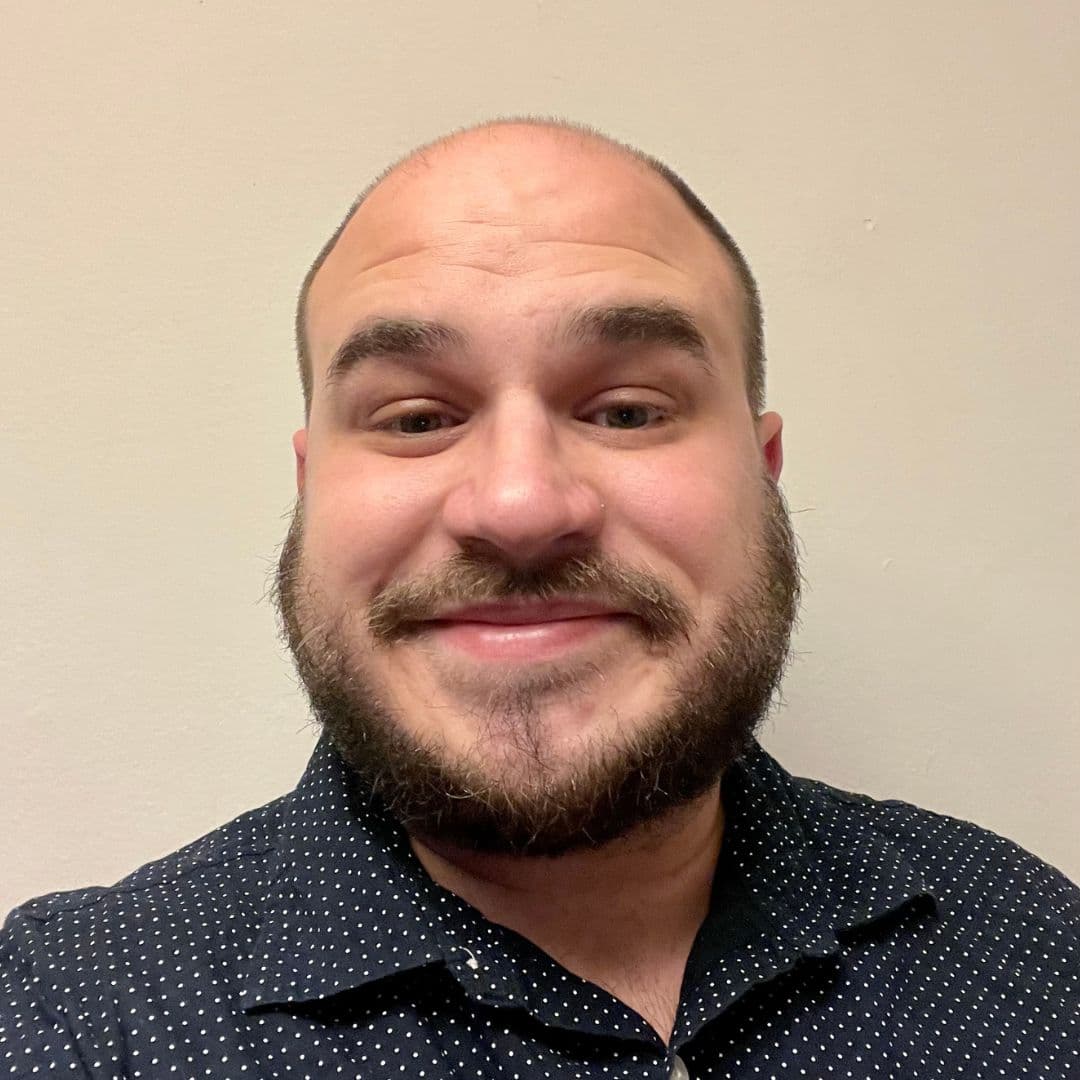
Master’s in Special Education and Literacy, Bachelor’s in Sociology

M.S. in Adolescent Special Education

Teacher from Teachers College, Columbia University; SAT Instructor in the 99th Percentile
TESTIMONIALS
Having been through the SAT/ACT tutoring process before with my older daughter, I knew we’d need something less conventional, more tailor-made, for my son–someone who could adjust and meet the needs of my son’s specific learning needs. My son has ADHD and easily becomes overwhelmed and anxious with regard to test-taking. After his first tutoring session with Dr. Brooke, we knew it was a “good fit. She was able to develop a great working rapport with my son quickly. She understood that he needed to be gently challenged, praised, and continually encouraged to keep him from becoming overly frustrated. His original PSAT score was 26. Dr. Brooke helped him to bring his ACT score up to 31. We can’t thank her enough!
My daughter was very happy working with Evan on her Math SAT prep. She earned a 710 on the math section.
My son, a junior in a private high school, worked with a wonderful tutor from Themba to get ready for his SATs. I spoke with Blythe, and she asked detailed questions about my son’s strengths and weaknesses. She put me in touch with Don, who worked beautifully with my son. Don immediately understood where my son needed help and focused their time together on specific areas of need. He also recognized my son’s strengths ( math )and was able to accelerate his understanding in those areas. My son’s score jumped 190 points! The individualized instruction he got from Themba and Don was amazing! I highly recommend these wonderful people.
Matt tutored my son for the SAT & ACT this fall. We liked his positive approach to helping him learn the necessary testing skills. He is friendly and thoughtful and points out strengths while emphasizing areas that need extra work. Thank you for sending him to us!
I have secured two excellent Themba Tutors for my son, a junior in a NYC High School. My son enjoys working with these tutors, Matt and Anthony. He finds their methods clear and inspiring. Matt works with my son on college entrance test preparation (ACT and SAT), and Anthony works with my son on written expression, executive functioning, and attention skills.
At Themba Tutors, we take the time to help students/clients understand their strengths and progress in areas where they need to improve. We offer personalized tools for each of our clients to help them become more aware of their individual needs as they work towards short-term goals. Improving these skills will benefit our students’/clients’ long-term plans.
Comprehensive Free Intake Process for SAT Test Tutoring
- Initial Consultation: Schedule a free call with our intake coordinator to understand your family’s needs. We assess your child’s baseline SAT score (or offer reassessments if needed) and identify target schools and score goals.
- Review of Reports: Craig Selinger, owner and CEO of Themba Tutors, personally reviews prior reports, standardized test scores, psychological evaluations, and school documentation.
- Create a Study Plan: We develop a tailored SAT study plan aligned with your goals and timeline, covering Evidence-Based Reading, Writing & Language, and Mathematics.
- Matching with Specialists: Craig matches your student with SAT specialists and shares tutor bios for your review.
- Free Consultations: Before starting, families are invited to meet online for free with one or more SAT prep tutors or coaches.
- Choose a Tutor or Coach: You select your SAT tutor and schedule the first paid session. Payment is due after that initial session.
We are known for our comprehensive intake process, ensuring a personalized and effective approach to SAT preparation.
With Themba Tutors, families can trust that students receive high-quality private SAT tutoring grounded in experience, care, and individualized support.
Craig Selinger’s Accomplishments
Craig Selinger, CEO and owner of Themba Tutors, brings over two decades of professional experience supporting students, families, and educators. He is a published author in respected outlets including the Journal of Brain Research (opens in new tab), Momtastic (opens in new tab), NYMetro Parents (opens in new tab), Healthline (opens in new tab), About.com (opens in new tab), Psych Central (opens in new tab), Tiny Beans (opens in new tab), and ADHD Online (opens in new tab).
Craig has appeared in live interviews on WPIX 11 (opens in new tab) and Insider (opens in new tab), and has lectured at institutions including Bard High School Early College (BHSEC) (opens in new tab), NYU Langone (opens in new tab), Mount Sinai Hospital (opens in new tab), and the Educational Alliance (opens in new tab).
He has also been a keynote speaker at events such as the Everyone Reading Conference and the New York City Parents’ Primer Round Table Discussion for Dyslexia (opens in new tab).
With Themba Tutors, families can be confident they are receiving expert test preparation services for neurodivergent learners, supported by experience, integrity, and personalized care.

Frequently Asked Questions (FAQs)
1. Do you work with students who have extended-time accommodations?
Yes. We specialize in supporting students with accommodations, including extended time. We teach strategies to help students use extra time effectively through accommodated practice tests and pacing techniques.
2. Can you coordinate with my child’s school or therapist?
Absolutely. With your permission, we collaborate directly with schools and therapists to ensure alignment with IEPs and 504 Plans.
3. Do you focus only on test-taking or general study strategies?
We teach both. Alongside SAT content and strategies, we explicitly build executive functioning skills such as organization, time management, and note-taking.
4. How do you adapt SAT prep for ADHD or dyslexia?
For ADHD, we use micro-breaks, active learning, and spaced repetition. For dyslexia, we apply multi-sensory instruction and foundational reading strategies tailored to SAT passages.
5. How are your tutors qualified?
Over 90% of our tutors hold advanced degrees and have deep experience supporting students with learning differences.
6. What are the 2026–2027 SAT test dates for students with learning differences?
The 2026–2027 SAT weekend test dates are October 3, 2026; November 7, 2026; December 5, 2026; March 6, 2027; May 1, 2027; and June 5, 2027. These SAT dates apply to students taking the exam in the United States and internationally. Students with learning differences can use these dates to plan their preparation and tutoring schedule in advance. Prepare for the 2026–2027 SAT with personalized tutoring designed for students with learning differences. For the most current registration deadlines and testing information, check the official College Board SAT Dates & Deadlines (opens in new tab).
Take the Next Step
Ready to help your student confidently navigate the SAT? Themba Tutors provides specialized, neurodiversity-affirming SAT tutoring designed to build confidence, skills, and long-term success. Contact us today for a free consultation.
Not ready to fill out the form yet? We’re here to make this easy.
📞 (917) 382-8641📲 (917) 382-8641✉ info@thembatutors.com
Every coach offers a free 15-minute remote meet-and-greet, so you can get to know them and see if it feels like the right fit. We’re very responsive and easy to communicate with throughout the process. From there, we’ll thoughtfully match you with one or more of our coaches.